In June 2026, the teachers of Brighter Tomorrow visited a model Montessori school, owned by Ms Shamim Akbar. The Montessori school serves children from relatively privileged socio-economic backgrounds, and in contrast, Brighter Tomorrow works primarily with children from economically disadvantaged families, many of whom face considerable challenges in accessing basic resources. The visit provided an opportunity to observe good educational practices and explore ways to improve the learning experiences of the children enrolled in Brighter Tomorrow. This was an opportunity for our teachers to learn from a different educational environment and also to reflect on how good practices could be adapted to the circumstances and needs of their own community.
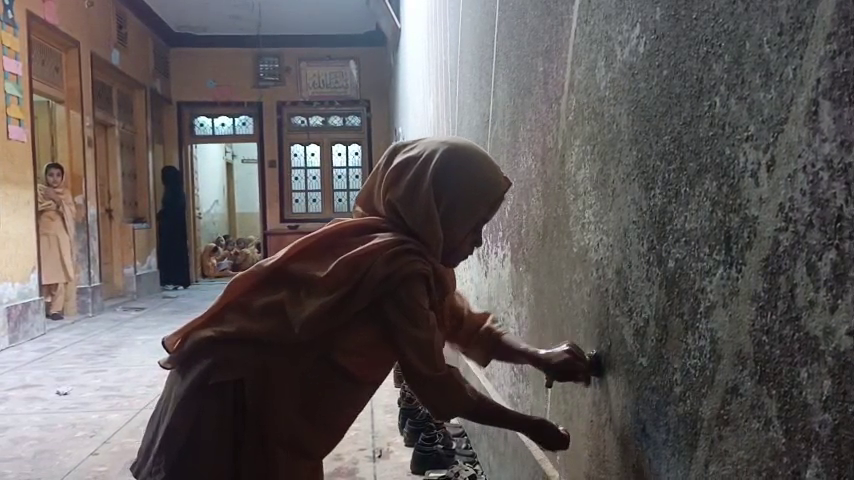
One important lesson from the visit was the value of teaching personal hygiene through practical, child-friendly activities. Inspired by what they observed, our teachers began introducing lessons on personal cleanliness, handwashing and oral hygiene, helping children develop healthy habits from an early age.
A Familiar Tradition, A Practical Solution
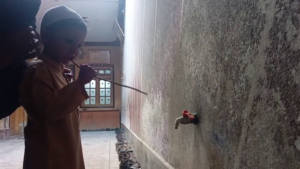
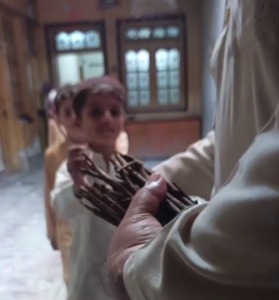
At the model Montessori school, children used toothbrushes and toothpaste to maintain their oral hygiene. Brighter Tomorrow recognised the importance of this practice but also considered the economic circumstances and cultural practices of the families it serves. Following consultation with parents, it was decided to introduce the miswak as a locally appropriate option for the children.
A miswak (also known as maswak) is a natural teeth-cleaning twig traditionally made from twigs or roots of certain trees, particularly Salvadora persica, commonly known as the toothbrush tree. It has been used for centuries in communities across South Asia, the Middle East and Africa as a traditional means of cleaning teeth.
Listening Is as Important as Learning
The choice of miswak illustrates Brighter Tomorrow’s approach to community-based education. The decision was guided by three practical considerations: affordability, familiarity and accessibility. It was already known and used in the community, making it easier for families to adopt the practice and encourage other children in their households and neighbourhoods to do the same. Listening to parents and understanding their circumstances were as important as learning from the model Montessori school. The decision emerged from consultation with the families whose children would benefit from the initiative.
This reflects a fundamental principle of community-based education: good practices are more likely to become part of everyday life when communities are heard, respected and involved in decisions that affect them.
Small Habits, Lasting Impact
For the children of Brighter Tomorrow, personal hygiene lessons are practical life skills that can contribute to their health, confidence and overall well-being. By sharing these habits with their siblings and peers, children can also help extend the benefits beyond the classroom.
At Brighter Tomorrow, we believe that children from disadvantaged backgrounds deserve the same opportunity to learn, grow and develop healthy habits as children from more privileged backgrounds. Achieving this does not always mean replicating the same resources or methods. It means understanding local realities and finding practical ways to make good practices accessible to everyone.
Education goes beyond reading, writing and numeracy. It also means listening to communities, respecting local knowledge and helping children develop the healthy habits and practical life skills they need for a better future. Every child deserves the opportunity to learn. Every community deserves to be heard. And every healthy habit learned today is a step towards a brighter tomorrow.